580-fold EU Subsidy Gap Disadvantaging Plant-Based Foods
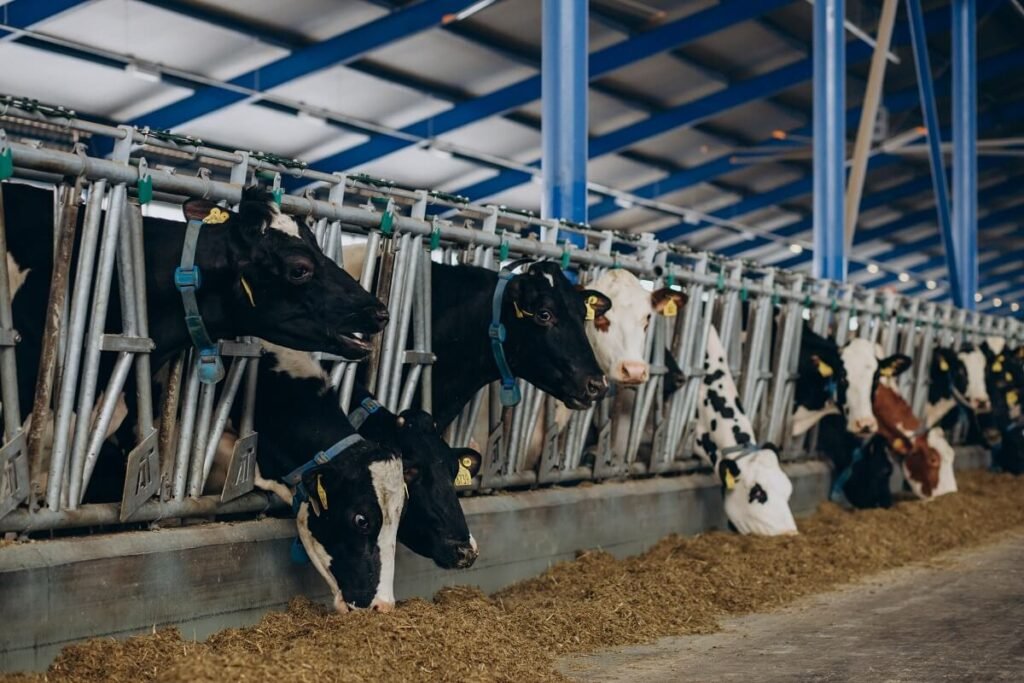
The Guardian recently reported on a new analysis highlighting serious imbalances in the European Union’s agricultural subsidy system. According to the research, in 2020 beef and lamb production received 580 times more subsidies than legumes, while the pork sector received nearly 240 times more, and dairy products 554 times more funding than foods such as nuts and seeds.
This is particularly noteworthy given that an increasing number of scientific recommendations emphasize the importance of plant-based foods for both public health and environmental sustainability.
A Size-Based System Without Strategic Goals
Nearly one-third of the EU budget is distributed to farmers through the Common Agricultural Policy (CAP). However, funding allocation is largely determined by the size of farms, rather than by strategic considerations such as sustainability or public health objectives.
As a result, the production of animal-based foods gains a substantial competitive advantage, while plant-based foods—especially protein-rich legumes—receive disproportionately little support.
Hidden Subsidies: The Impact of the Feed Supply Chain
The picture becomes even more distorted when considering the entire subsidy chain linked to livestock production. Animal agriculture requires large areas of land for feed cultivation, and subsidies supporting these crops indirectly reinforce the production of animal proteins.
The study’s lead author, Anniek Kortleve, emphasized:
“We can only get a realistic picture of how much public funding is concentrated in animal-based foods if reforms examine not only direct livestock payments but the entire financial flow, including subsidies for feed production.”
Contradictions Between Subsidies and Sustainability Goals
The analysis shows that in 2020 the meat and dairy sectors received a total of €39 billion in subsidies, while the fruit and vegetable sector received €3.6 billion and cereals €2.4 billion.
These proportions do not reflect the policy direction that increasingly highlights plant-based foods as key components of healthier and more sustainable diets.
According to independent agricultural experts, Europe’s current protein economy is not operating within sustainable limits. Future agri-food policy should integrate environmental and public health goals into subsidy decisions.
Why This Matters for the Future of Plant-Based Foods
The structure of subsidies does more than determine production patterns. Over the long term, it shapes market supply, directs innovation, and influences consumer choices.
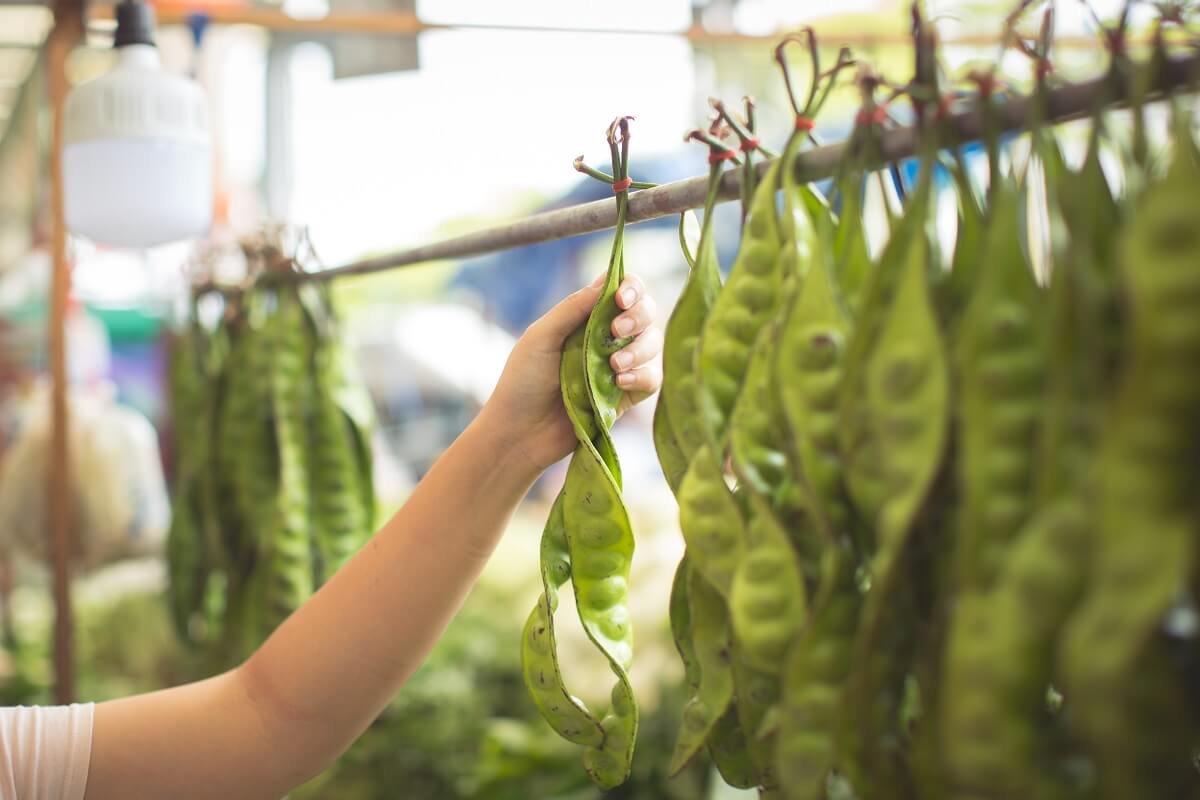
If plant-based foods—particularly legumes grown in Europe and domestically—do not receive proportionate support, it may slow the diversification of protein sources and the transition toward more sustainable diets.
A food system built more strongly on plant-based proteins is not only an environmental issue; it is also a matter of economic competitiveness and food sovereignty.
The Position of NÉGYOSZ
The Hungarian Association of Plant-Based Food Manufacturers and Distributors (NÉGYOSZ) believes that supporting plant-based foods is both an economic and strategic necessity.
This is why we launched the Okosfehérje (Smart Protein) project more than a year ago, aimed at promoting the consumption of legumes as plant-based protein sources through professional and educational tools.
We believe that plant-based foods play a key role in building a healthier, more sustainable, and more competitive Hungarian food economy. In our view, rethinking current subsidy ratios is urgently needed, as this issue is not only about numbers—it is about the kind of future we are building for the European and Hungarian food systems.
If you agree with our goals and initiatives and have not yet signed our Manifesto, you can do so by clicking here.
Featured image source: Freepik / senivpetro
Image credit: Freepik / jcomp