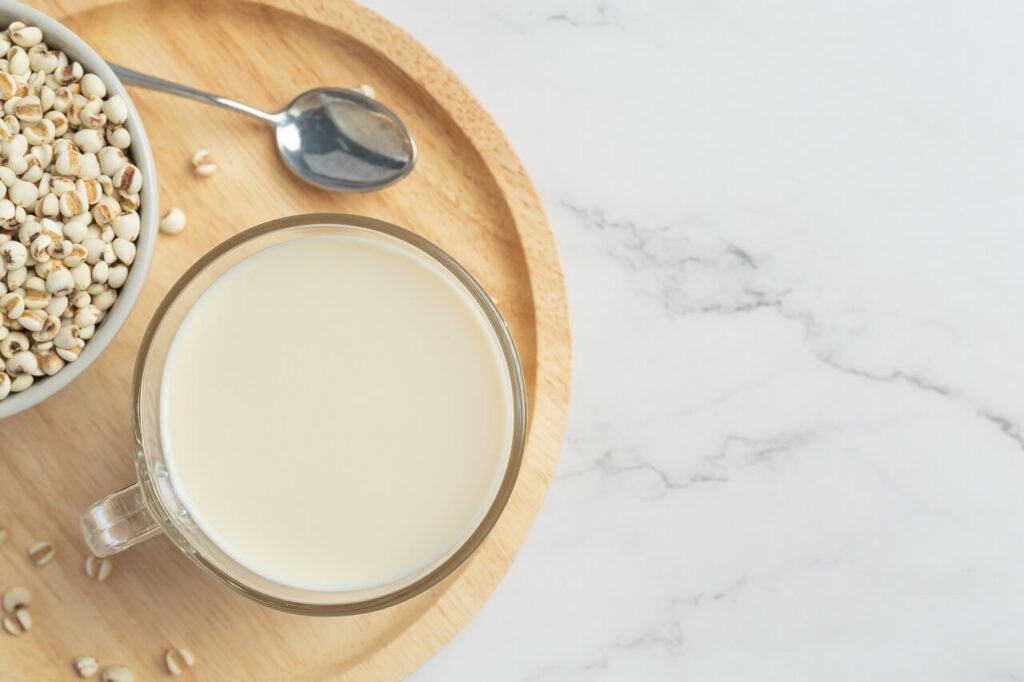
Almost half of Germans already choose plant-based milk alternatives
According to a recent joint survey by Danone Germany and the research company INNOFACT, almost half of German respondents already regularly consume plant-based milk substitutes. The data was collected in October 2025 from a representative sample of 1,532 people. The results show that plant-based milk alternatives have now moved beyond the niche product category and appeal to a wider consumer base, vegconomist reported.
Young people and families are regular consumers
According to the research, 47% of respondents consume plant-based milk alternatives, 18% of them regularly. Consumption is particularly high among 18-29 year olds and households with children, where the proportion reaches 56%. The most commonly consumed plant-based drink is oat milk (48%), followed by almond milk (34%). Soy-based drinks are more popular among vegetarians, with 30% reporting regular consumption.
The most common reason for choosing plant-based milk was health consciousness, followed by animal welfare considerations. Taste, texture, and value for money were the most important factors in purchasing decisions. Among those who do not consume plant-based alternatives, 54% do not like the taste, and 44% consider the prices too high.
Three-quarters of respondents would pay more for fortified products
Fortification with vitamins and minerals is becoming an increasingly important consideration. Forty-four percent of respondents prefer fortified plant-based beverages, and 75% of them would be willing to pay more for them. Calcium, vitamin D, and vitamin B12 were mentioned as the most important nutrients. Flexitarian respondents also highlighted fiber, plant protein, and iron.
However, iodine is largely overlooked, despite being an important trace element that plays a role in metabolic processes. Only 22% of respondents consciously monitor their iodine intake, although 71% use iodized table salt. Twenty-one percent buy iodine-enriched foods, and dietary supplements are also used. Iodine levels are more commonly monitored among younger people and those who follow vegetarian, vegan, and flexitarian diets.
Few are aware of the different tax rates
According to the survey, awareness of VAT in Germany is low. Only 34% of participants knew that cow’s milk is subject to a reduced VAT rate of 7%, while plant-based drinks are subject to 19% VAT. When asked about this difference, 61% of respondents supported reducing the VAT on plant-based drinks to 7% as well. According to 17% of those who do not currently consume plant-based milk alternatives, such a tax reduction would increase their willingness to buy them.

No longer niche products
Danone stated in its announcement:
“The results clearly show that plant-based milk alternatives are no longer niche products, but have become an integral part of a balanced diet. Consumers are looking for products that are not only plant-based, but also rich in nutrients.
This encourages us to communicate the benefits of added vitamins and minerals even more emphatically and to pay greater attention to trace elements such as iodine. At the same time, we remain committed to fair conditions, such as reducing the VAT on plant-based drinks to 7%.”
This is what NÉGYOSZ is working towards: promoting plant-based alternatives and reducing the VAT on these products in Hungary are among our goals. If you are also committed to plant-based foods and the plant-based transition, and you haven’t signed our Manifesto yet, now is your chance. Click on the link!
Featured photo: Freepik