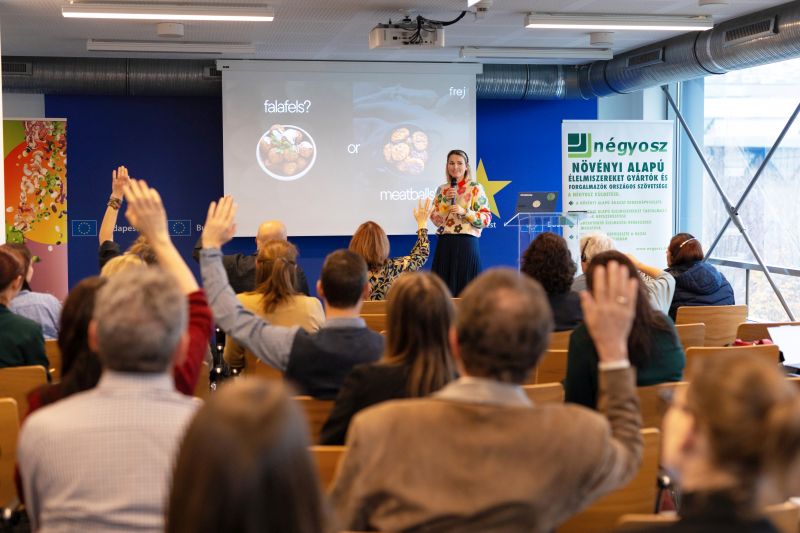
Danish example in Hungary: sustainable food requires a common strategy – Report on the NÉGYOSZ policy conference entitled “The place of the plant category in the food economy”
The NÉGYOSZ policy conference held on November 26 proved to be a milestone in domestic sustainable food efforts. The aim of the all-day event, organized at Európa Pont, was to bring together all those responsible for the future of the food system: decision-makers, researchers, industry players, civil society organizations, and agricultural experts. The focus was on the role of plant-based foods, the possibilities for a sustainable transition, and gathering the knowledge necessary to develop a Hungarian food strategy.
The Danish model proves that introducing plant-based proteins into the food supply is successful when it is a social issue.
Keynote speaker Marie-Louise Boisen Lendal, founder of the Danish Frej Think Tank and chair of the Danish Plant-Based Food Foundation, gave a detailed presentation on how Denmark became the first country in the world to develop a national Plant-Based Action Plan – and how it generated broad political, industry, and social support for it.
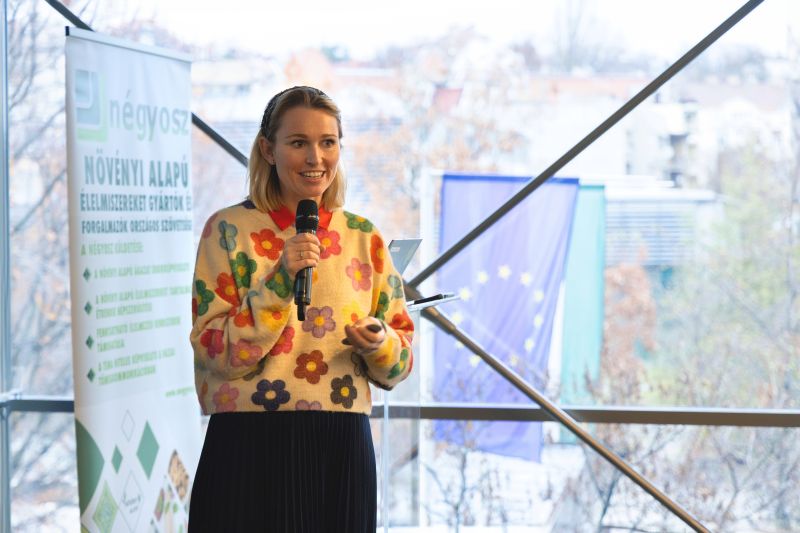
His presentation revealed that the strength of the Danish model rests on three pillars:
- Strategic approach – Plant-based food innovation is supported throughout the entire value chain, from production to consumers.
- Stable public funding – Since 2023, the Plant-Based Food Grant has supported 116 projects with more than DKK 394 million, and by 2030, this amount will reach DKK 1 billion.
- Cross-sector collaboration – Frej aims to build bridges “from farm to fork”: from farmers to researchers to the food industry.
Lendal emphasized that the plant-based transition is not an ideological issue, but a guarantee of future competitiveness. Denmark’s example shows that social dialogue – and bridge-building to resolve conflicts – is essential for sustainable diets to become widely accepted.
EAT-Lancet 2.0 – The message from science is clear
The EAT-Lancet 2.0 report presented by Réka Szöllősi sets the goal of harmonizing the health of the planet and humans. According to recent research, changing our diet is no longer just an option, but a necessity – and this applies to every country.
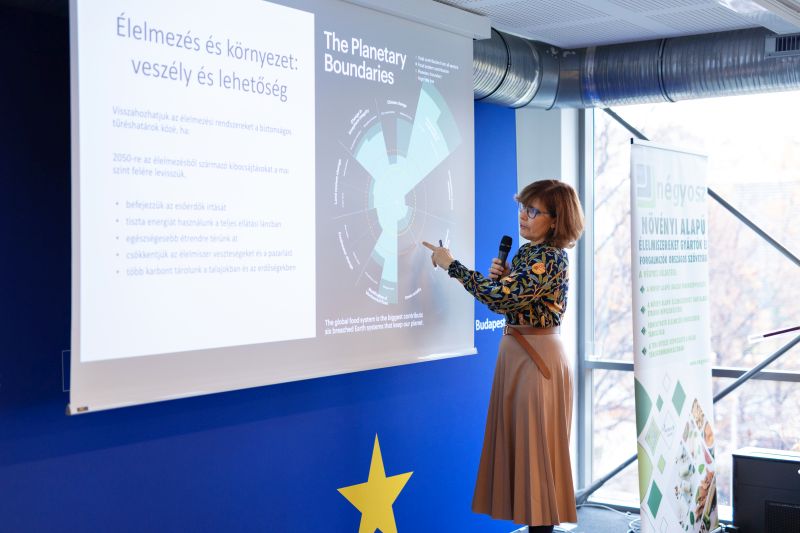
The main messages of the new recommendations are:
- Without transforming the food system, climate goals cannot be met and healthy lifestyles cannot be ensured on a global scale.
- The Planetary Health Diet is a flexible, localizable framework that recommends a higher proportion of plant-based protein, legumes, whole grains, and less animal-based foods.
- Fifteen million premature deaths could be prevented each year by changing diets.
- The report emphasizes that change cannot be achieved without political will and well-defined, quantifiable national targets.
The EU is also moving clearly towards sustainable food
Giuseppina Luvarà, a member of the European Commission’s Directorate-General for Research and Innovation, gave an overview of the EU’s research priorities for food systems. A central element of the Food 2030 approach is the promotion of alternative proteins, plant-based innovations, and circular systems.
Key messages:
- The development of alternative proteins is closely linked to the EU’s agricultural, food, environmental, and health policy objectives.
- The Commission strongly supports the cultivation of legumes, the exploration of new alternative protein sources, and a better understanding of consumer attitudes.
- R&I programs (Horizon Europe) are investing hundreds of millions of euros in research into sustainable food.
- A strategic research agenda for transforming the food system will be developed in the coming years.
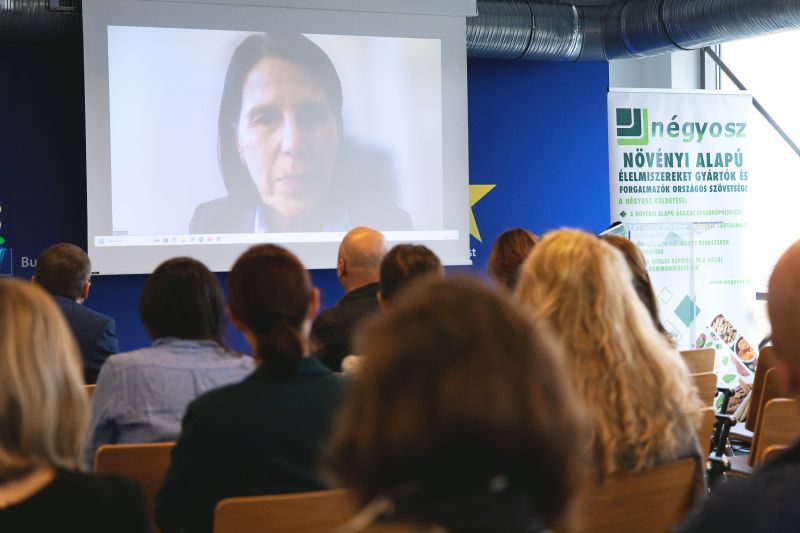
This direction clearly confirms that plant-based innovation is now a matter of competitiveness at the European level.
OkosFehérje (SmartProtein) project – What can we do at home to increase legume consumption?
Szilvia Magyarvári, dietitian at NÉGYOSZ, presented the results of the OkosFehérje project, which has been working to promote legumes since 2024.
The current situation:
- Legume consumption in Hungary is 1.5 kg per capita per year, which is low even by global standards.
- Legume production has declined, and animal-based proteins continue to dominate consumption.
- High VAT, consumer ignorance, and poor marketing are all obstacles.
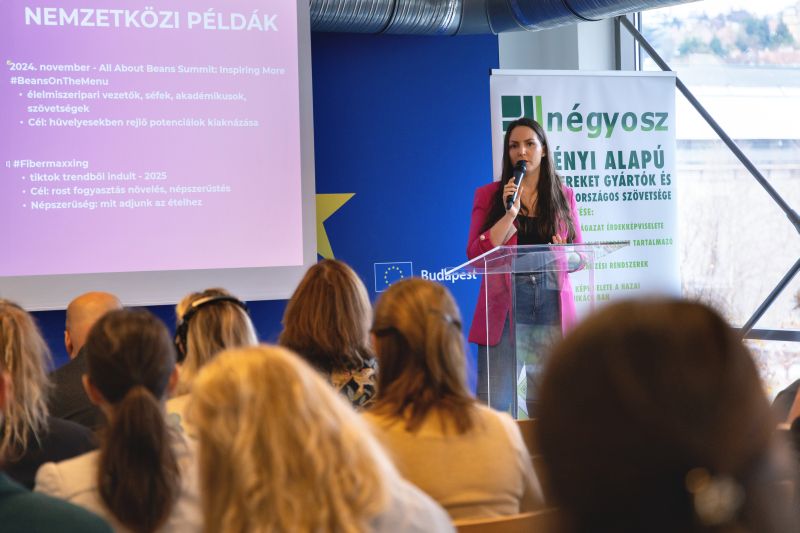
However, the project has made significant progress:
- More than 70 recipes and 32 educational articles are available on the website.
- National programs, field trips, school education, and professional collaborations help shape attitudes.
- The online presence has generated 1.35 million hits so far.
Szilvia emphasized that legumes are ideal for a sustainable domestic protein strategy due to their low water requirements, soil-improving effects, high nutritional value, and affordability.
Innovation on the plate: the rise of functional foods
In his presentation, Gábor Tóth, a certified food industry development engineer, presented the technological and physiological background of plant-based innovations.
He pointed out that functional foods—products containing ingredients that have been scientifically proven to prevent disease, reduce risk, or improve quality of life—are rapidly becoming one of the most important categories in the industry.
Some key trends:
- integration of plant antioxidants (e.g., flavonoids, polyphenols, algae oils),
- protein innovations: horse bean, chickpea, hemp seed protein,
- combining sprouting and fermentation for better nutrient utilization,
- plant-based reform of sports foods,
- the emergence of enriched, immune-boosting, or metabolism-supporting products.
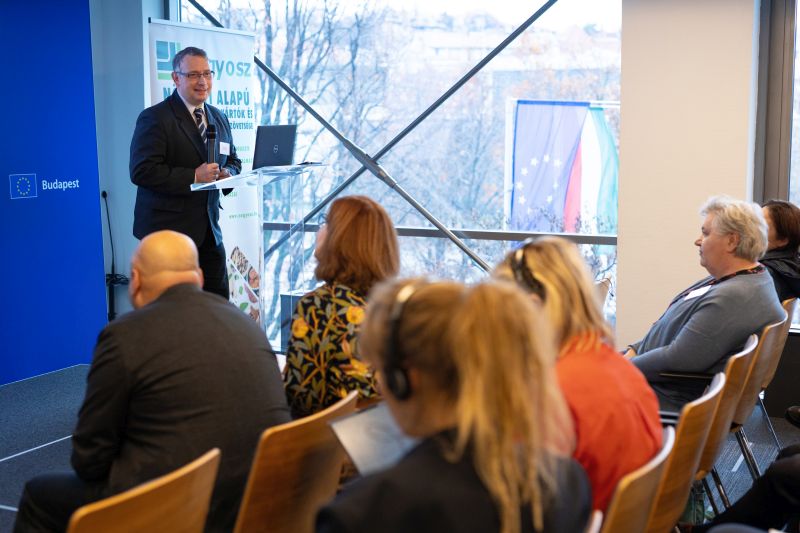
His presentation confirmed that domestic developments are clearly in line with global trends. Plant-based foods and functional nutrition are currently one of the areas with the greatest potential for innovation in the food industry.
The role of NÉGYOSZ: to create cooperation for a sustainable food strategy
István Miskolczi, managing director of NÉGYOSZ, emphasized that sustainable food cannot be achieved through isolated initiatives. There is a need for:
- strengthening government regulation and financing,
- industry development and innovation,
- involvement of educational institutions and research centers,
- the catalytic role of civil and professional organizations.
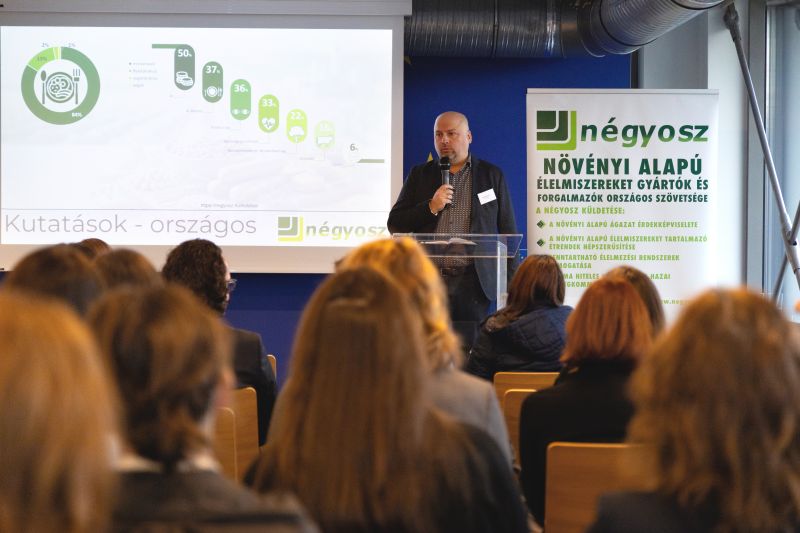
The aim of the conference was therefore to initiate a joint policy debate that could lead to the creation of Hungary’s Sustainable Food Strategy.
Lively discussion at the round table – participants’ answers to the most important questions
In the closing session of the day, István Miskolczi, Marie-Louise Boisen Lendal, Gábor Tóth, and Réka Szöllősi jointly answered questions from the audience, which clearly reflected the current focus of professional interest in Hungary.
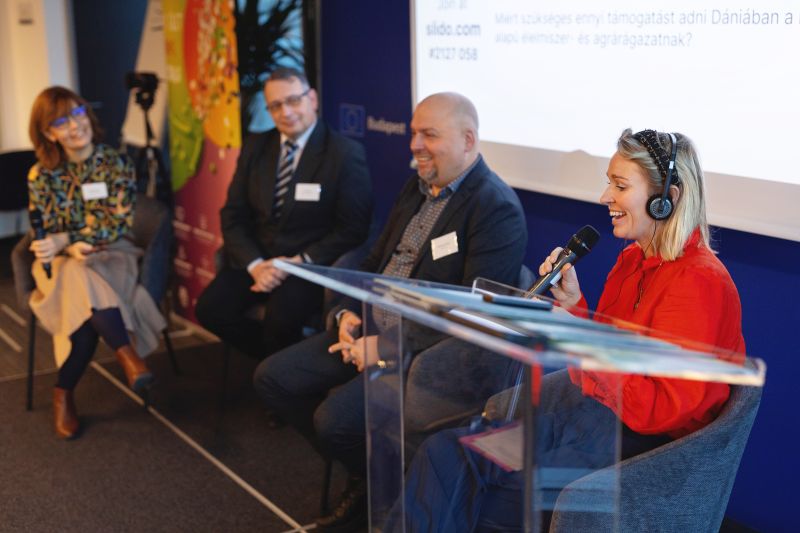
Several participants asked about the specific effects of the transition in Denmark, such as whether meat and dairy production would decline in parallel with the promotion of plant-based foods, and what percentage of the Danish population were vegetarian or vegan. There was also considerable interest in the financing side: numerous questions were asked about the Danish plant-based food industry support system, how it works, the projects eligible for funding, and possible opportunities for Hungarian cooperation.
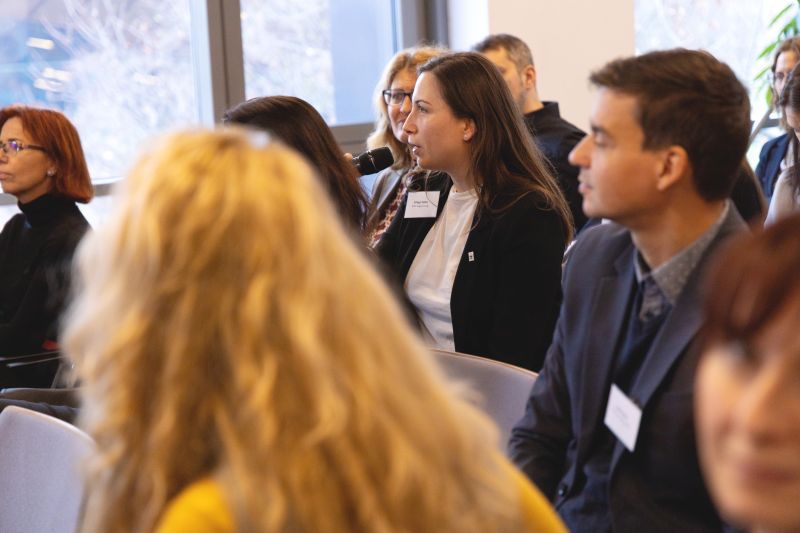
The professional audience also asked questions about the human side of things, such as the role of chef training and institutionalized education in the plant-based strategy, as well as the situation of public catering in Denmark and the market pressures affecting the use of animal-based ingredients.
Questions related to consumer attitudes were also prominent, and the relationship between health and sustainability was also in focus, for example, the importance of organic foods, concerns about the use of pesticides in plant products, and the effects of legumes on digestion. The participants’ practical interest was also evident in their questions about the availability of training materials for chefs working with vegetables and plant-based ingredients, as well as which professional programs had proven to be the most effective.
Summary: change has begun – now it’s time for joint action
All the presentations at the event pointed in one direction:
the transition to sustainable food is not only necessary, but also possible – if we work together.
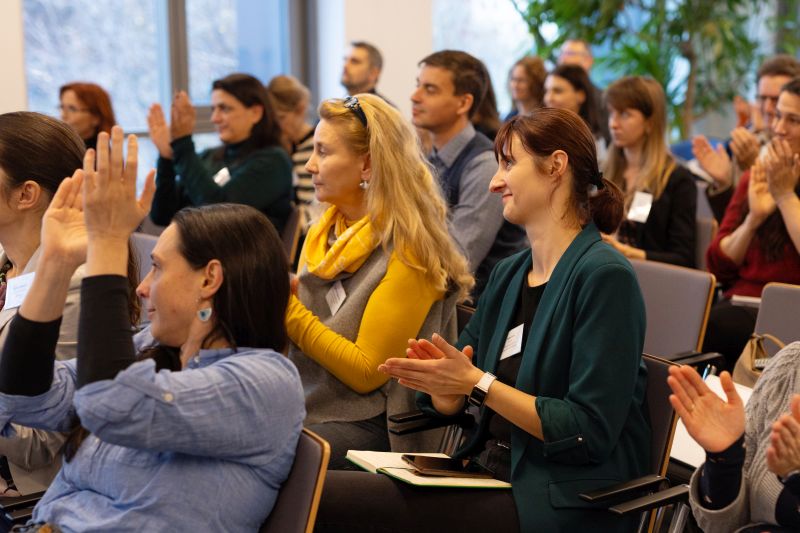
Danish experiences, EU research trends, domestic innovations, and consumer trends all prove that it is a realistic and achievable goal for Hungary to develop a food system that is sustainable, healthy, and competitive.
With this conference, NÉGYOSZ has taken the first step towards a long-term, professionally sound strategy. In the spirit of education, we will definitely continue the Okosfehérje project, for which we welcome opportunities for cooperation, new participants, and supporters.
The work is just beginning, and it is our shared responsibility to ensure that Hungary responds in a timely manner to the challenges of the 21st century.
The statements made at the event do not necessarily reflect the position of the European Commission Representation in Hungary.