Food Codex, Export and Innovation – Key Takeaways from the Portfolio Agrárium 2026 Panel Discussion
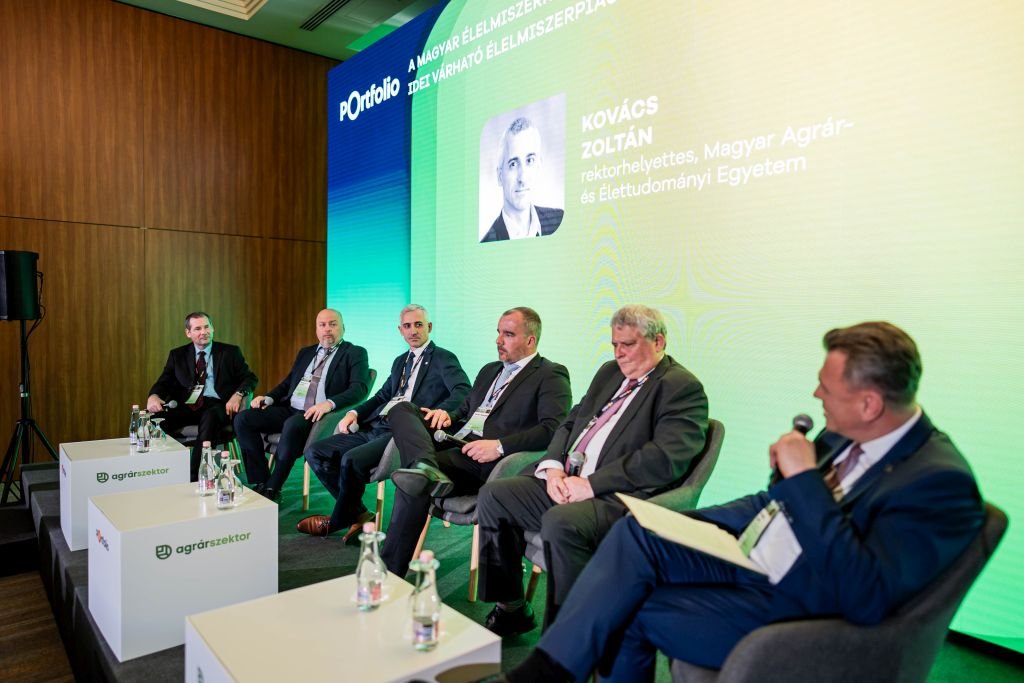
Our Managing Director also participated in the roundtable discussion at the Portfolio Agrárium 2026 conference on March 10, titled: “Amendments to the Hungarian Food Codex Affecting the Food Industry – Expected Food Market and Trade Trends for This Year, and the Regulatory and Sustainability Requirements of Food Packaging.”Our summary of the panel discussion can be read in the article below.
During the event, the speakers touched upon many topics. Despite the limited time available, the panel succeeded in giving the audience insight into the challenges and most recent developments in the food sector, and the latest Food Industry Grant Programmes (ÉLIP) and their expected impacts were also discussed.
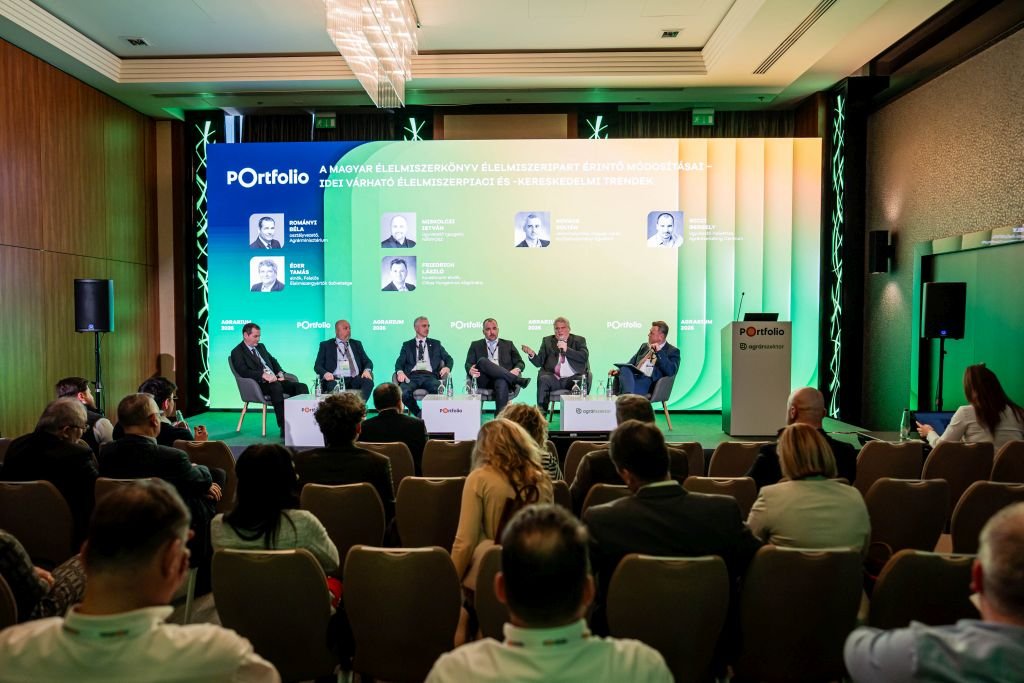
The Hungarian Food Codex, which gave the panel its title, and the changes surrounding it formed an important part of the discussion. Currently, plant-based alternative products exist somewhat in a regulatory “vacuum” in this regard: at present, plant-based products are mainly subject to restrictions and prohibitions, while meaningful regulation remains incomplete.
Our members and companies in the plant-based sector are primarily investing in efficiency improvements and energy-efficiency developments. At the same time, we hope that in the near future there will also be opportunities to enter new product categories.
During the discussion, the ongoing EU-level debate on food regulation inevitably came up. According to the current state of negotiations, 31 different meat-related product names are planned to be banned. On this topic, our Managing Director explained that based on the principles of behavioural psychology, prohibitions of this kind do not produce meaningful results among consumers, as purchasing motivation is generally not driven primarily by product naming. He also emphasized that such a ban would not provide assistance to meat producers or farmers either, referring to the regulation banning the naming of plant-based drinks as “milk”, which clearly did not affect the growth of the category.
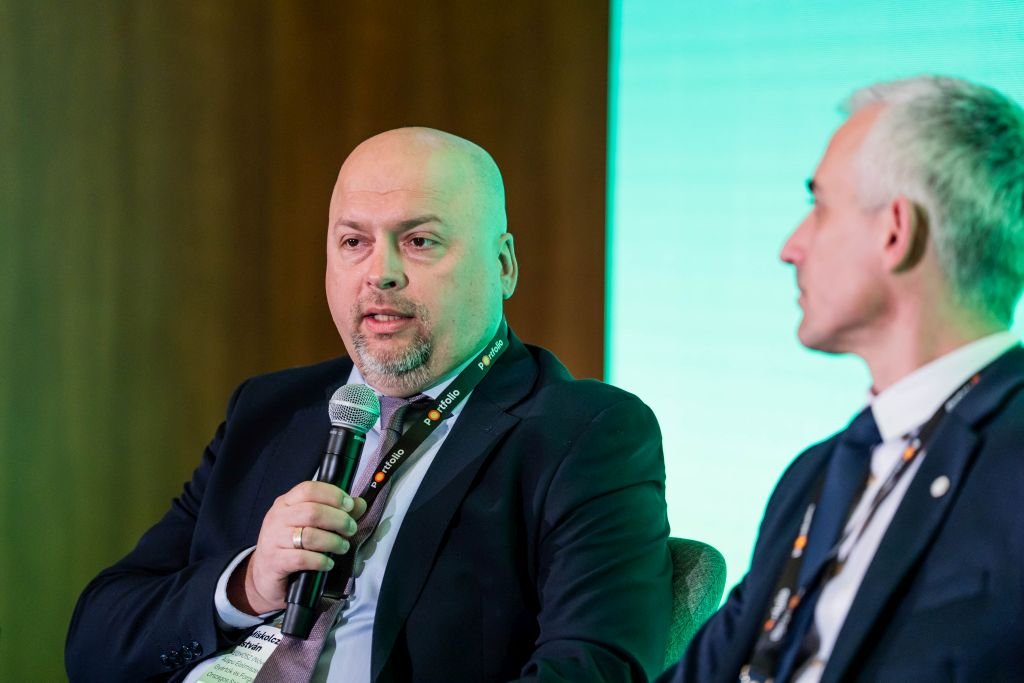
Research and development as well as access to export markets were also key elements of the conversation. All participants agreed on the important role of universities in R&D, and likewise on the fact that the foundations of creativity and collaboration are already in place.
At the same time, we must also acknowledge that there are excellent examples across Europe that can serve as models worth following. In this context, our Managing Director referred to the Danish example, where plant-based foods and related R&D receive significant state support, while Denmark is also one of the world’s largest pork producers per capita.
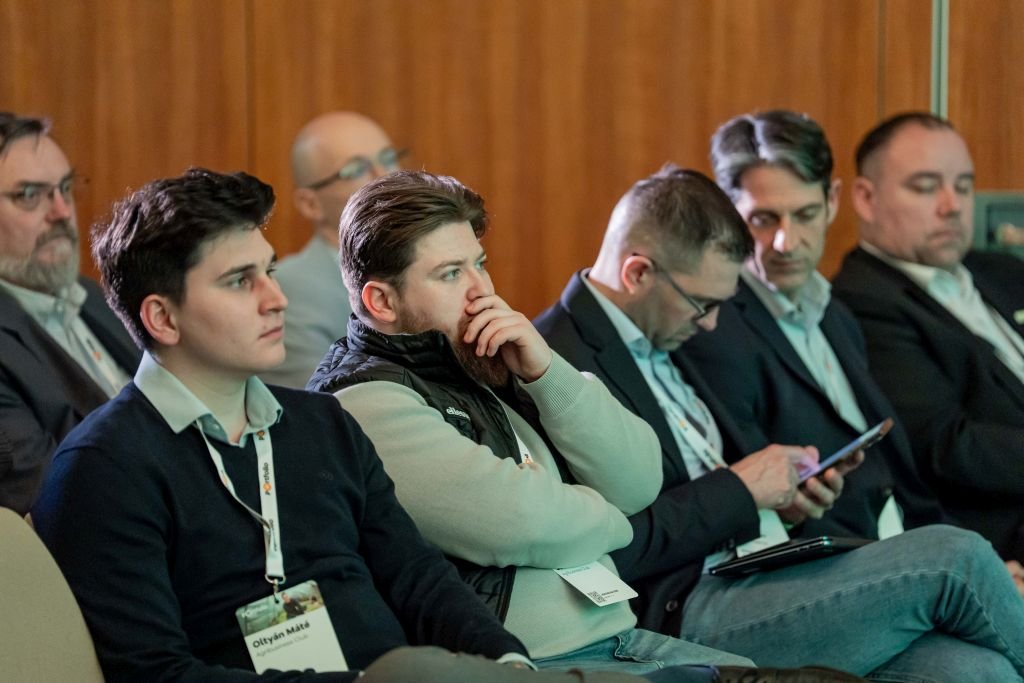
Today, no conference passes without mentioning the impact of artificial intelligence. From the perspective of NÉGYOSZ, we see that in our sector AI is democratizing innovation and product development.
The importance of export markets was a recurring theme throughout the discussion. As our fellow panelists also noted, during difficult economic periods and when the domestic market weakens, success in foreign markets can become the most important pillar of profitability. Competing successfully in international markets can also have a significant positive impact on a company’s competitive position at home.
This is particularly true for plant-based foods, where export markets are generally much more developed than the Hungarian market.
We thank the organizers of the Portfolio Agrárium conference for the kind invitation.
Photos: Portfolio