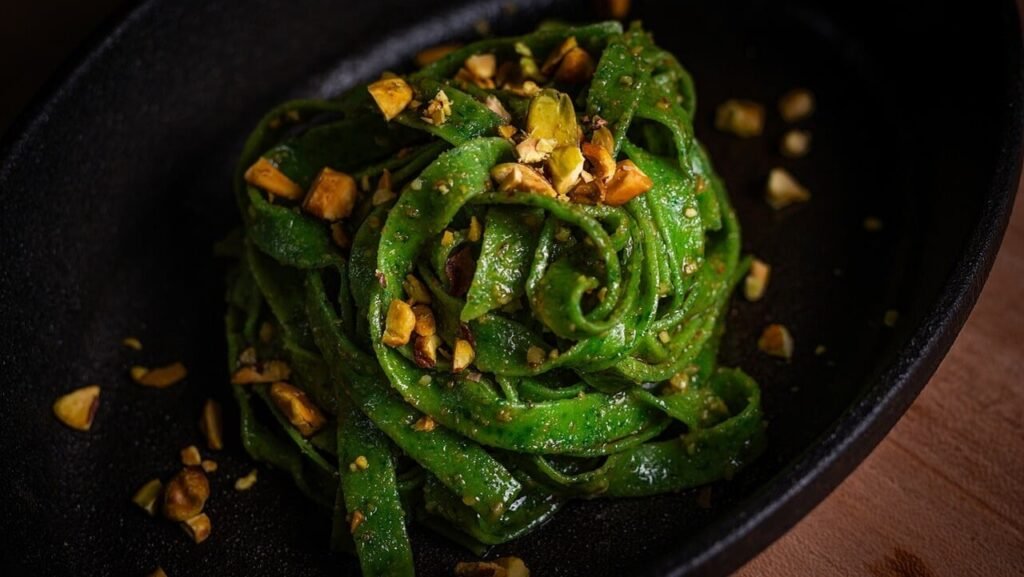
How much does what we put on our plates really matter?
We tend to think of our genes as a ready-made instruction manual: we are born with them, and from then on they determine certain traits and predispositions of ours. A new study, however, once again draws attention to the fact that the picture is far more interesting than that. How a particular genetic trait plays out may also depend on what we eat.
Greek and other European researchers took advantage of an unusual dietary practice to examine how quickly our bodies can respond to a change in diet. The researchers studied 200 healthy people who, for religious reasons, substantially restrict their consumption of animal-based foods during certain periods and then return to their omnivorous diet. This offered a rare opportunity to examine the same individuals across different dietary periods. For comparison, they also followed a group of 211 continuous omnivores.omnivorous group followed.
The same genes, a different diet – a different effect
The researchers tracked how the levels of various proteins in the body changed, and what role individual genetic differences played in this. It turned out that the effect of certain genetic variants varied depending on whether the person was currently consuming animal-based products or restricting them.
They found a particularly interesting result for a protein involved in cholesterol metabolism. A genetic variant linked to it showed an association with obesity only during the periods of restricted animal-product intake. This suggests that the effect of a genetic predisposition is not necessarily constant: diet may influence how strongly a given genetic trait comes into play.
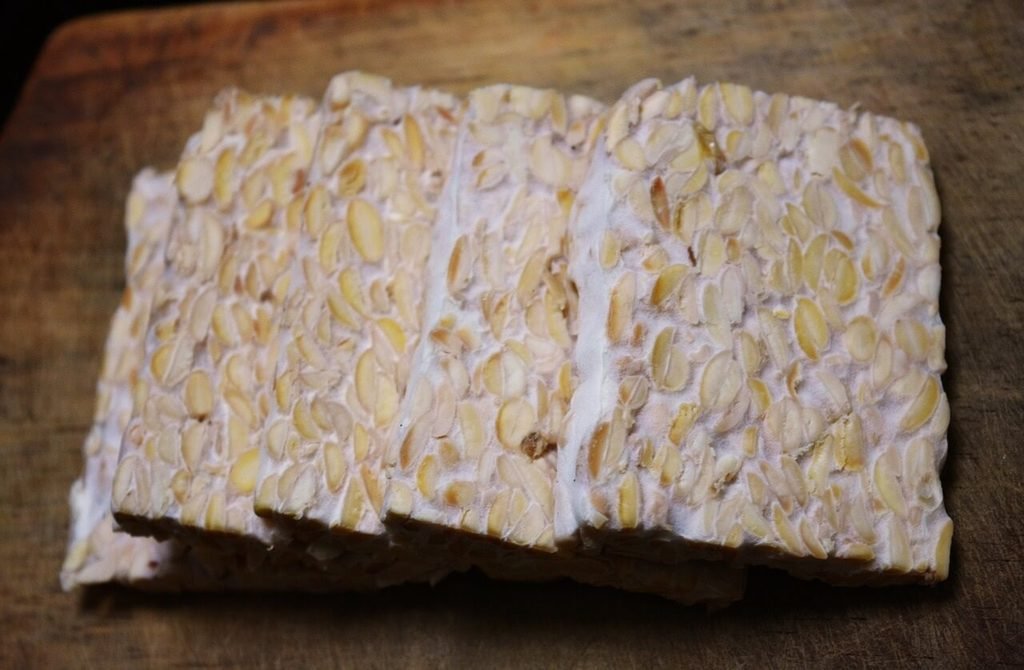
Another interesting finding involved a protein called FGF21, which plays an important role in regulating metabolism. Here too they found a genetic effect that depended on diet, and that was also associated with certain immune-system and blood-clotting characteristics. This is a further sign that nutrition, metabolism, the immune system and genetics may be far more closely intertwined than one might first think.
It’s not only what we eat that matters
The story has a further interesting twist. In the continuously omnivorous control group, the researchers also detected genetic effects that varied by season. These affected, among other things, proteins involved in the functioning of the immune system and in programmed cell death. In other words, diet may not be the only important environmental factor: the circumstances that change with the seasons can also influence how certain genetic traits of ours come into play.
What does all this mean?
What follows from the research is not that a few weeks of an animal-product-free diet “rewrites our genes.” Our DNA did not change. What changed was how certain genetic differences related to measurable protein levels and other biological characteristics in the body. This is exciting because it may bring us closer to personalised nutrition. It is conceivable that in the future we will not simply talk about a “healthy diet” in general terms, but will also better understand why the same dietary change can affect two people differently.
So perhaps this is one of the study’s most important messages: our genes do not work in isolation. They are in constant interaction with the environment we live in — and our diet is an important part of that environment.
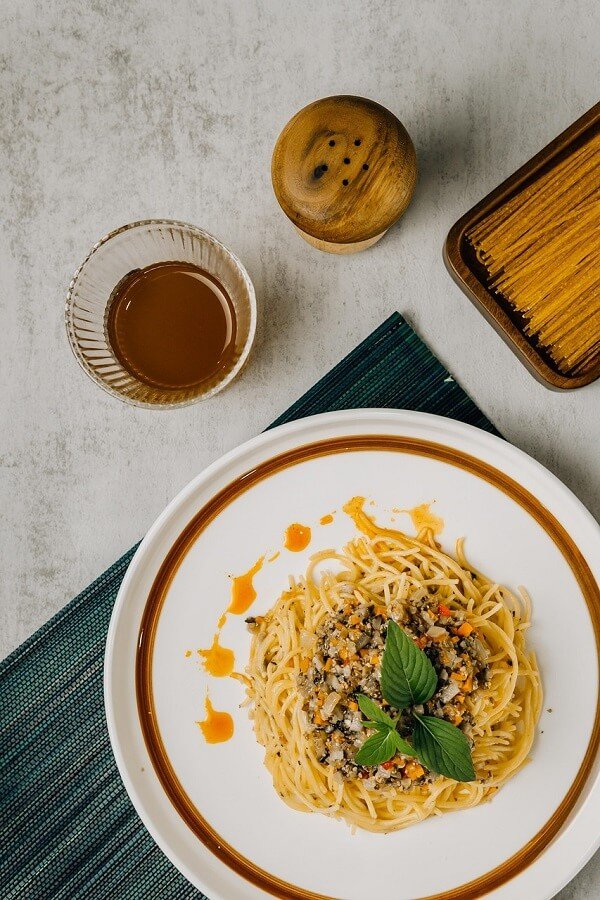
At NÉGYOSZ, we work to…
…help ever more people discover the potential of a plant-based diet and make decisions about their nutrition based on credible, scientifically grounded information. Research like this matters to us because it shows how complex the relationship is between our diet and how our body works — while also offering a glimpse of future possibilities.
The food industry is already following research into gene–diet interactions. So far, however, we are not aware of any widely available plant-based foods produced directly on the basis of the consumer’s epigenetic profile. The current findings nevertheless suggest that this could be one of the exciting future directions of personalised nutrition.
(Featured image: Image by Michel rig republic from Pixabay)