Lessons from the HDHL Conference in Brussels
How can healthier and more sustainable eating become a natural part of everyday life, in a way that is accessible to everyone? The HDHL conference in Brussels provided a clear answer: we don’t need more research; rather, we need to finally start putting what we already know into practice.
On April 21, Brussels hosted the HDHL (Healthy Diet Healthy Life) conference, where researchers, policymakers, and food industry representatives gathered with a common goal: to determine how scientific findings can be translated into real, everyday changes.
Representing the NÉGYOSZ project, OkosFehérje, dietitian Szilvi Magyarvári also attended the event—to our knowledge, as the sole participant from Hungary—and found herself in a professional setting where one thing quickly became clear: the knowledge is already there. The question is, what do we do with it?
There is no lack of information, only inequality
One of the conference’s strongest messages was that people’s dietary choices are not made in a “neutral space.” It doesn’t matter if we—or they—know what the healthier choice would be if:
- it is less accessible,
- more expensive,
- or simply less present in our everyday environment.
Meanwhile, food industry players operate with massive marketing budgets (e.g., one soft drink giant’s marketing budget is several billion dollars, or several trillion forints, annually), which significantly influence consumer decisions. In this system, emphasizing individual responsibility alone is not enough. This is why reducing inequalities—particularly for more vulnerable social groups, such as the poor—was a recurring focus at the conference.
Are solutions taking shape?
The conference identified the problems and, beyond that, also pinpointed specific areas for action. Among the most frequently mentioned potential solutions were the following:
- More transparent food labeling
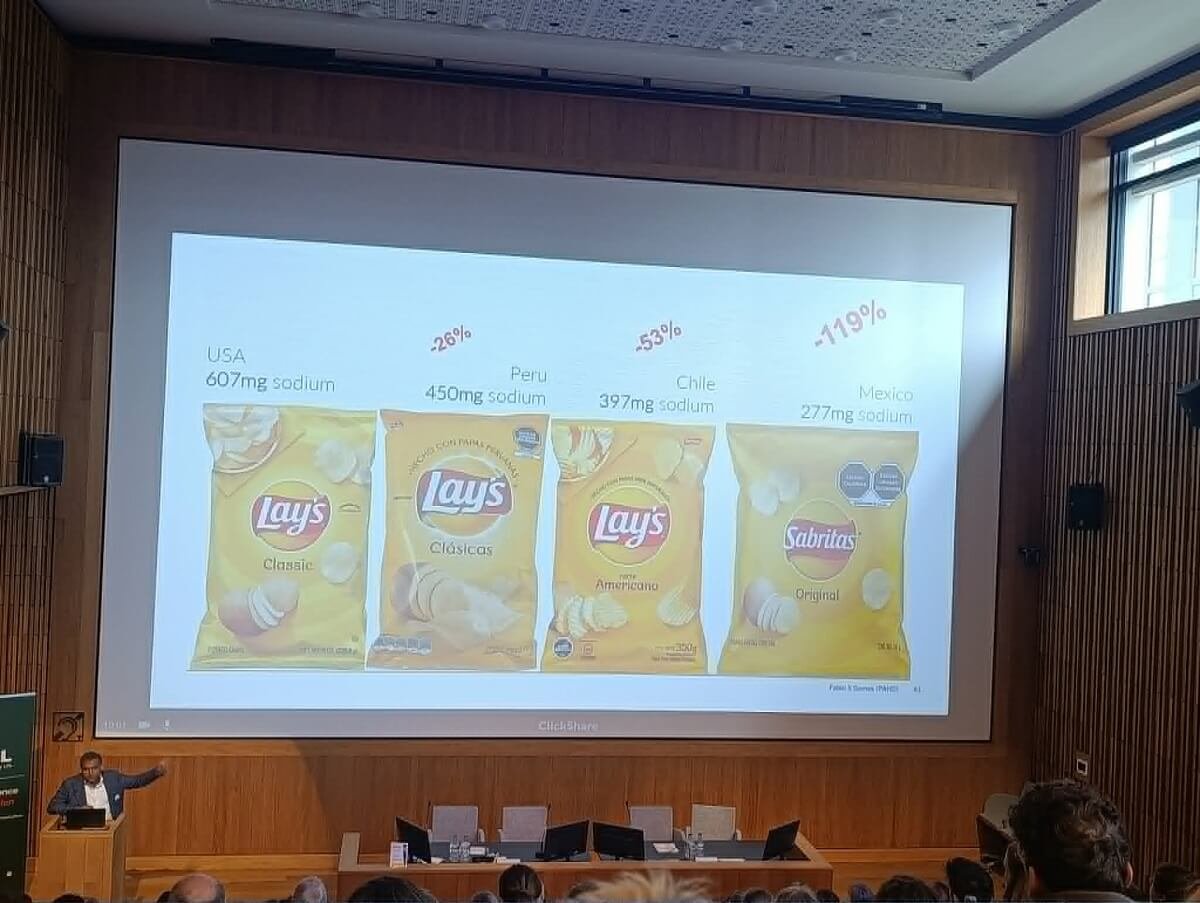
Examples from South America show that simple, attention-grabbing labels (e.g., “high sugar or fat content”) help consumers and steer manufacturers in the right direction. This forces the food industry to change as well. If a manufacturer does not want to put these negative messages on its products, it must focus on creating healthier products. This is how, for example, a very popular brand of chips in Mexico managed to significantly reduce the salt content in its products. - Public catering as a key area
Through schools and institutions, a wide-ranging impact can be achieved that is felt in the long term: they simultaneously shape attitudes and transform daily practices. Kitchens operating in public catering serve a huge number of people every day, so they play a particularly important role in this process. Furthermore, it is worth influencing them as well, since through conscious management of their operations (such as prioritizing ingredients sourced from local producers), they can also contribute to strengthening local food chains.
- Strengthening local communities
Grassroots initiatives, support for local producers, community-based solutions. - Involving vulnerable groups
Involving social workers and local support workers in education and research. - Increasing transparency
It is crucial to make decision-making and food industry processes more transparent and to reduce corruption in the food industry.
The Responsibility of Communication
Another key insight from the conference: we already have enough knowledge; we don’t need more research. So what’s missing? For example, how we communicate the nutritional science evidence that has already been researched and established also matters.
It was noted at the conference that researchers, too, must learn effective communication, because misleading or incomplete information—often spread through influencers and then by word of mouth—spreads faster than scientifically grounded facts.
NÉGYOSZ’s position on this is that it would be beneficial if as much information as possible reached the public directly from experts and researchers.
A conference that didn’t just talk—it took action
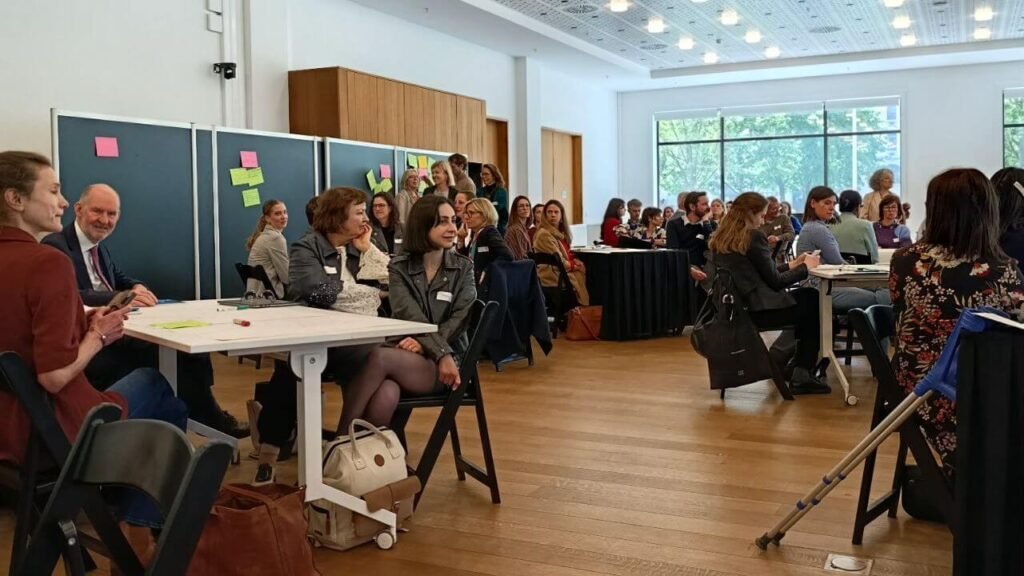
One of the most exciting parts of the event was the workshop, where participants worked together in small groups at tables of five. During the discussions, they moved to new tables from time to time, allowing experiences from different countries and fields to come together. Szilvi Magyarvári, for example, ended up at a table with a researcher from the University of Oxford, so the range of participants was quite diverse. Ideas truly “circulated” in this way: in each round, new perspectives enriched the collective thinking, and then the groups jointly identified the solutions they considered most effective. Among the successes achieved in Hungary, Szilvi highlighted the plant-based option now available in hospital food service, for which NÉGYOSZ’s activities also contributed to establishing the legal framework
Finally, each table read aloud the two steps they had identified as the most effective, and if the same or a similar step appeared on another table’s list, they shouted “BINGO!” This resulted in a shared action list that aligned in many ways, with its items categorized into five major groups. Although people came from many different parts of the world, surprisingly, many groups highlighted the same key areas: small communities, public food services, transparency, reducing power imbalances, and strengthening the role of individual decisions.
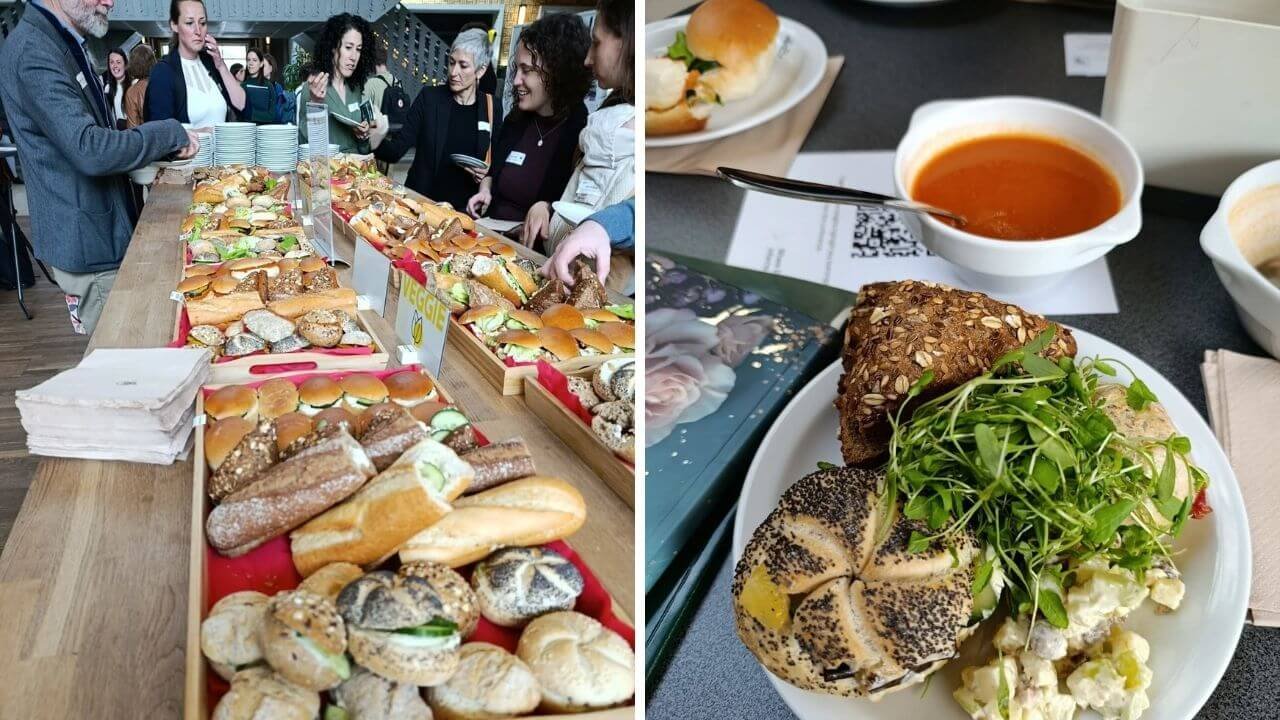
A small but significant detail
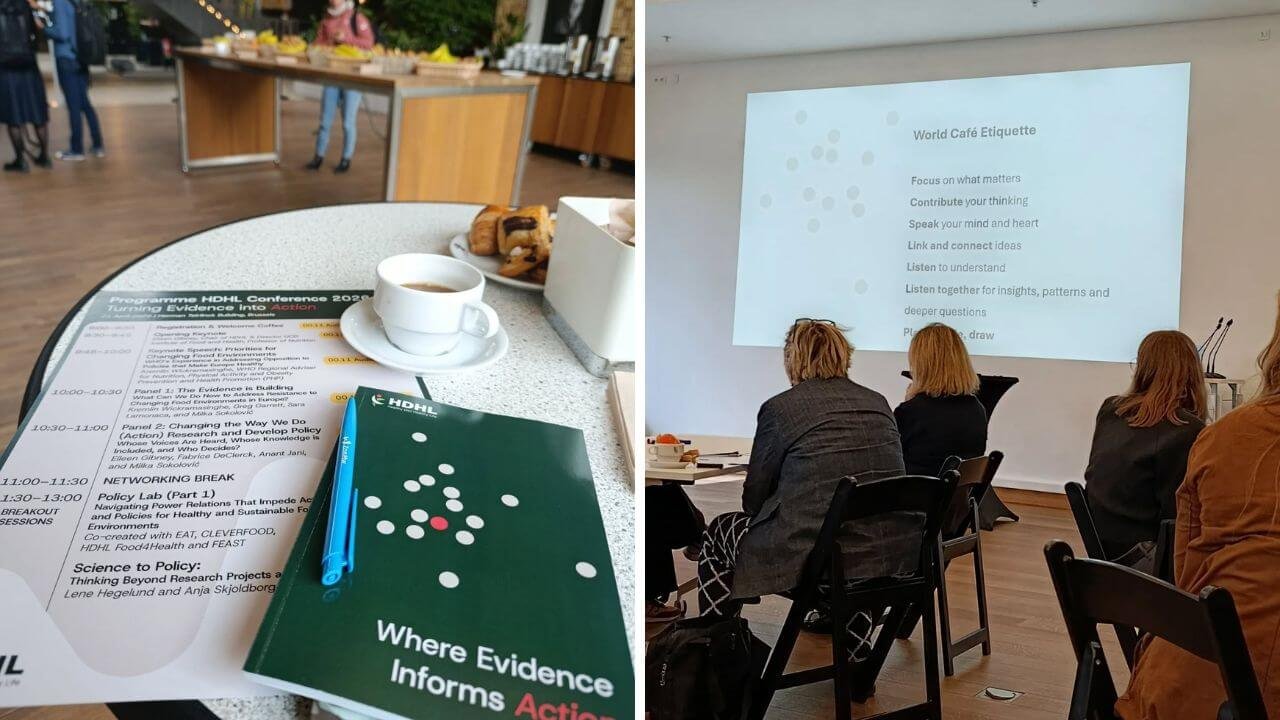
Catering always plays a major role at conferences. It’s good to see that at an event with this theme, it’s now standard for the entire menu to consist of meat-free dishes. The selection included vegetarian and vegan sandwiches, tomato soup, as well as coffee and tea.
What did we take away from all this?
The HDHL conference didn’t raise new questions; rather, it pointed us in an important direction: the knowledge is already in our hands. All that’s left is to figure out what to do with it. The next step is to start applying it on a systemic level, so that healthier and more sustainable choices become the default rather than exceptions or privileges.