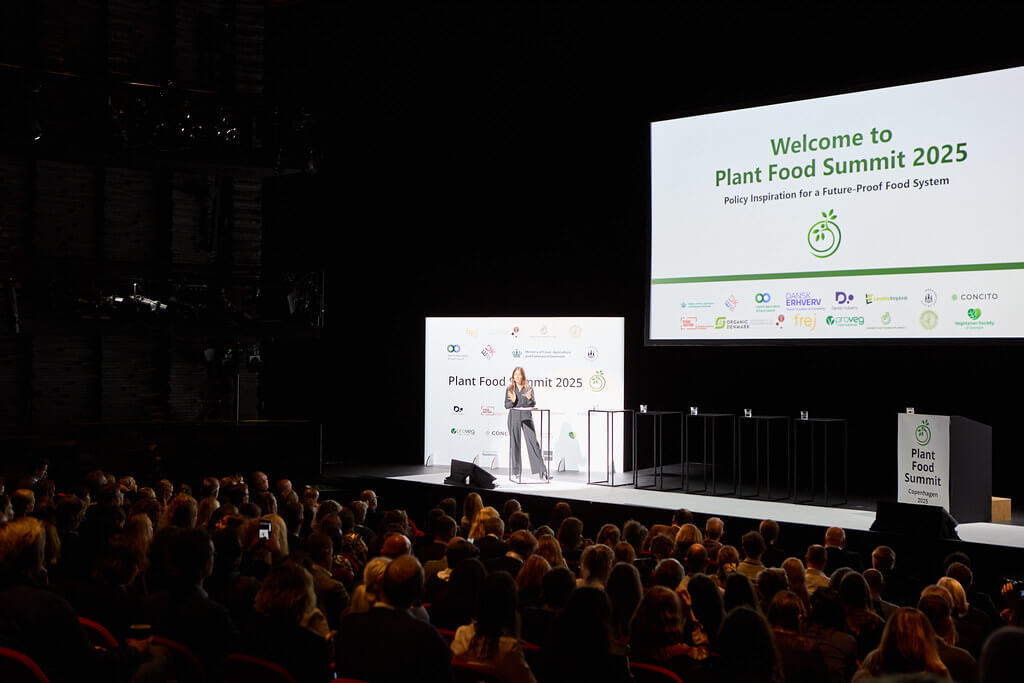
Plant Food Summit 2025: our perspective
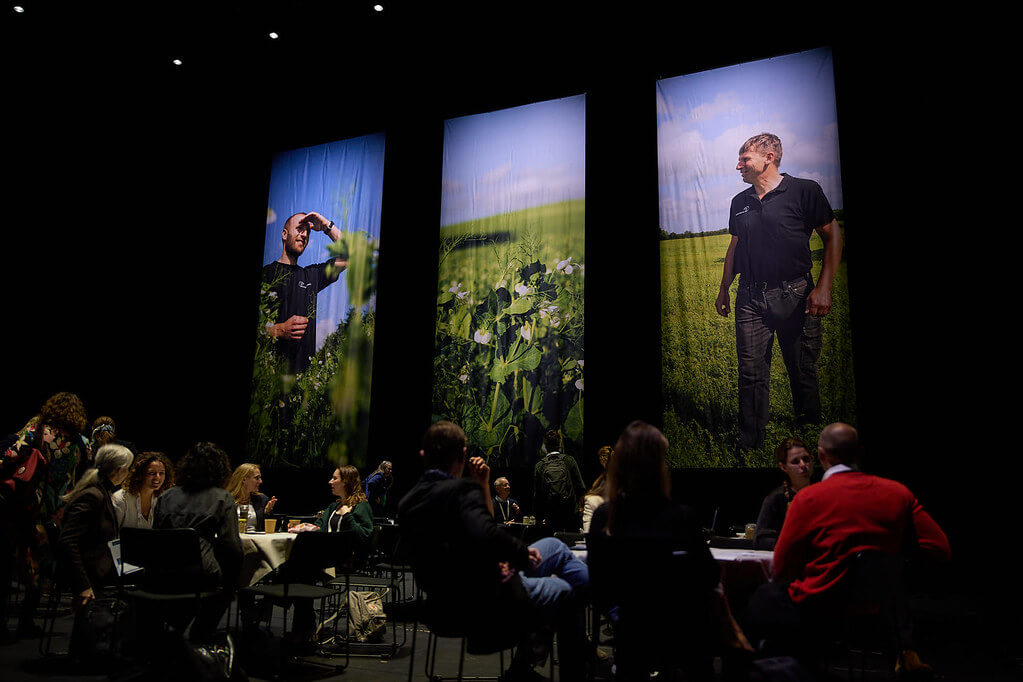
The Plant Food Summit 2025, held in Copenhagen, demonstrated once again this year that the plant-based food industry has long since outgrown trends: it has now become one of Europe’s most important areas of innovation and sustainability. Eight to nine participants from Hungary attended the two-day professional program to return home with knowledge, connections, and inspiration that can be utilized by the domestic sector.
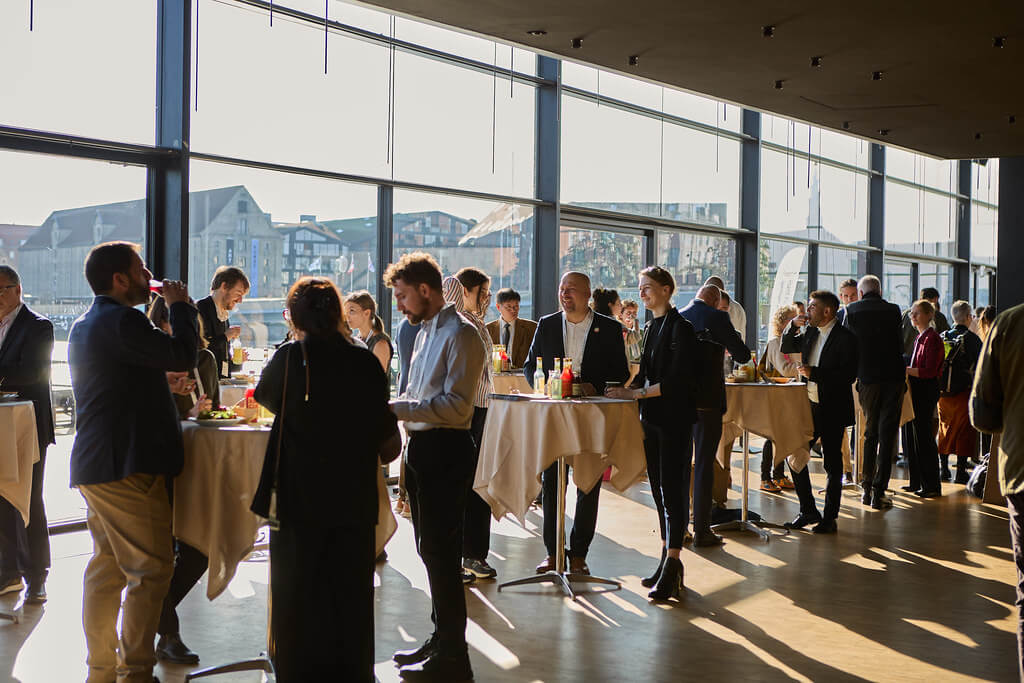
One of the strongest messages of the conference was the Danish government’s new approach, which focuses on opportunities rather than prohibitions. Several speakers highlighted the “more plant-based” strategy as the secret to a successful transition.
Denmark has been providing significant financial and strategic support to the plant-based food industry for years: more than €168 million has been earmarked for this purpose by 2030. This model could also serve as inspiration for Hungary.
This is what happened during the two days of the Plant Food Summit
The Summit focused on three main topics:
- Connecting rural and urban value chains: how to treat agriculture, the food industry, and urban public catering as a single entity.
- Innovation in crop production and food development: with a particular focus on legumes, plant protein sources, and processing technologies.
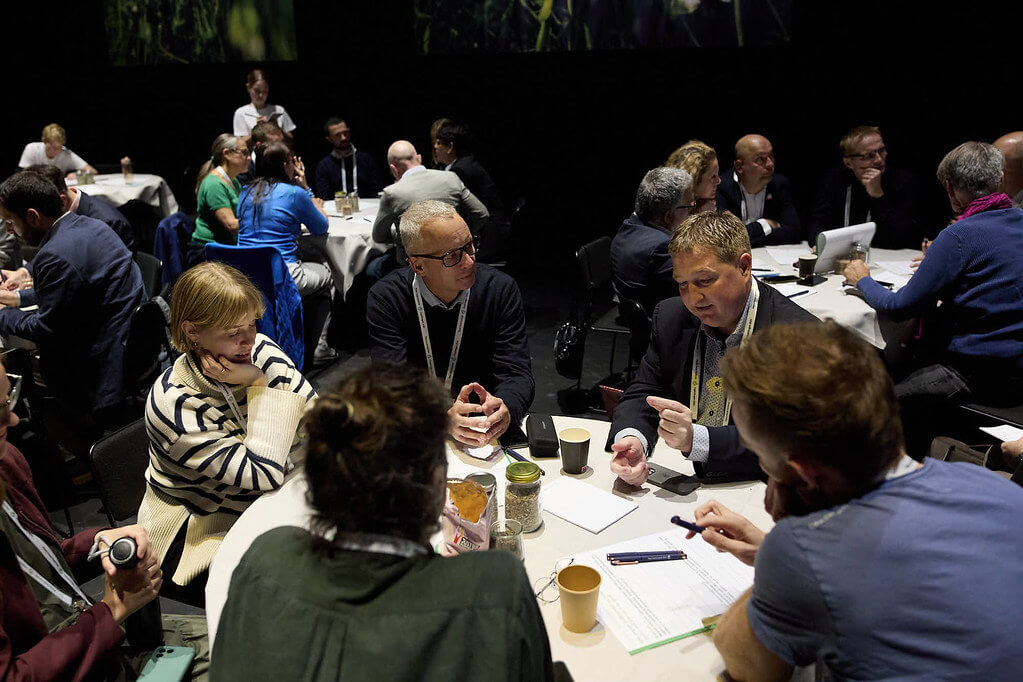
- Engaging experts and cities: with an emphasis on training, awareness raising, and cooperation between decision-makers.
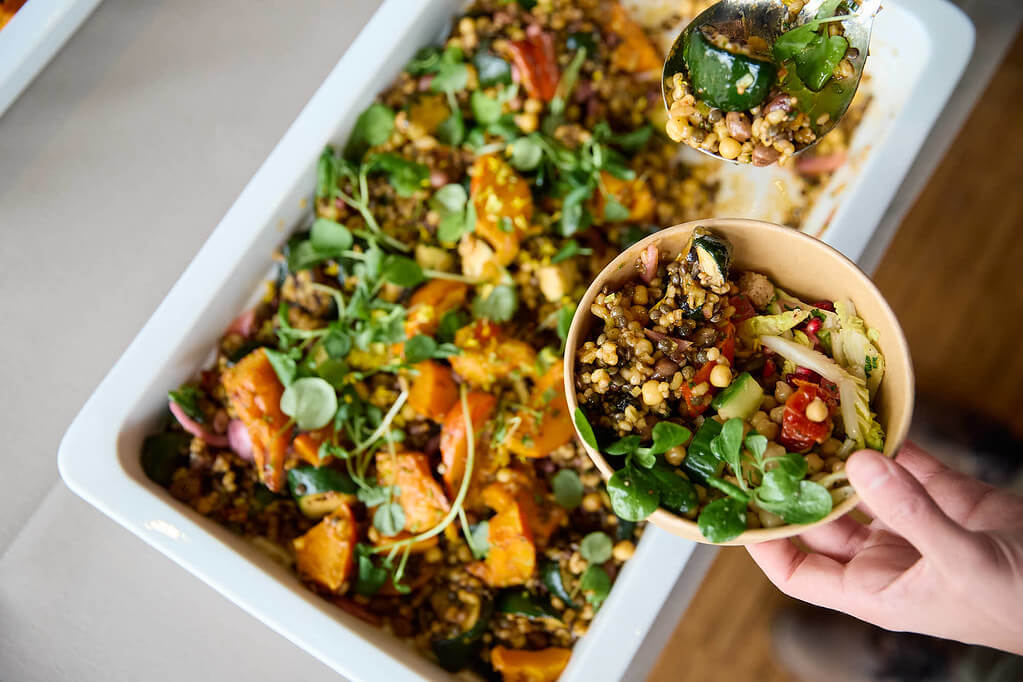
Participants took part in farm visits, research institute presentations, and plant-based food tastings, learning about Danish solutions, which are particularly strong in building a unified approach from farm to school cafeteria.
From a Hungarian perspective: opportunities and lessons learned
Of course, Hungary has a completely different environment in terms of legal, social, and economic aspects, as well as government efforts. In light of this, three messages were particularly significant for István:
1. Demand is key.
Several speakers emphasized that farmers will only grow more legumes and specialty crops if there is real consumer and industrial demand for them. The role of marketing, education, and public catering is therefore indispensable.
2. Producers are not opponents, but partners
In the Danish model, farmers receive support for experimentation, transition, and opening new markets. This is an experience that could serve as an important guideline for Hungarian agriculture.
3. Regulation, research, and industry must work together
The Plant Food Summit clearly showed that the plant-based transition can only be successful if politics, agriculture, the food industry, and education are linked. For NÉGYOSZ, this is confirmation that there is a need for domestic representation, professional dialogue, and cooperation between industry players.
Where to go from here?
The Plant Food Summit 2025 was a milestone in several respects. NÉGYOSZ’s participation was not only an opportunity, but also an important signal: Hungary, even if not a pioneer, is present in the international plant-based food industry discourse.
The experience we brought home can contribute to domestic producers, distributors, researchers, and decision-makers participating more strongly and consciously in the development of the plant-based food system.
NÉGYOSZ strives to initiate and support this process. If you agree with our goals and have not yet signed our Manifesto, you can do so by clicking on the link!